
 Want to build great coach-athlete relationships that will also help your athletes play better? Do you want to show your athletes that, as their coach, how you feel about them has nothing to do with whether they win or lose?
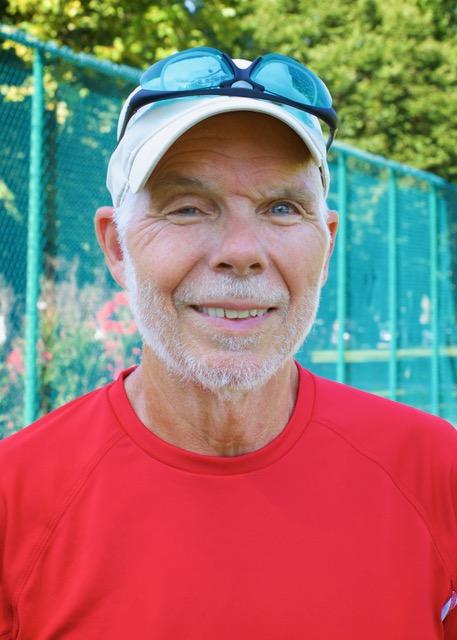
Your relationships with your athletes, along with your coaching and teaching philosophy, are the soil and the nutrients for success. In this article, Peter C. Scales (Coach Pete), PhD, a psychologist, long-time tennis coach, and creator of the Compete-Learn-Honor™ approach to youth sports coaching, offers five ways you can help build great coach-athlete relationships.
1. Help athletes re-define success in sport.
Instead of defining success by wins or losses, help your athletes define success as whether they improve as a player and as a person. Under this definition, encourage your athletes to focus on these five things:
- Give 100% of your effort
- Be an open, curious, and humble learner
- Respect everyone, including opponents and referees
- Make no excuses
- Show character under stress
Sport science also shows that when you apply these principles, you have a better chance of performing at your best, which means better odds of winning too!
2. Help athletes work through feelings of fear and nerves that are an inevitable part of competition.
Because all humans have a basic need for a sense of autonomy, belonging, and competence, we subconsciously ask ourselves: Do we have control? Are we liked? Are we good at doing things we and others value?
 During sport, the answers to these questions are often determined by whether we are performing well. Your brain connects your performance to your worth, which is bad for both an athlete’s mental health and their performance.
On the performance side, the nerves and fear that develop through this connection of performance and worth often means that the things we fear—messing up and losing—become the things that happen. “If I tell my tennis athletes not to double fault when they serve, what will happen?” asks Coach Pete. “It’s like saying, don’t think about a pink elephant. Now what are you thinking of? Probably a pink elephant.”
Helping athletes focus on effort, learning, and integrity instead of winning and losing helps reduce the weight of that performance/worth connection. It’s not about getting rid of fears, nerves, or pressure, but instead helping your athletes accept and embrace all of it.
3. Help athletes at all skill levels to feel that they belong.
Respecting all and loving the game regardless of performance can be the GPS that keeps you focused on learning and growth. “For example, at an award banquet one season, a senior who had been the star on two undefeated teams stood up and spoke about his first day of tryouts, where he was so bad that no one would play with him,” explains Coach Pete. “After I went to hit with him that day, the rest of the players got the message and welcomed him too. And that’s the moment he remembered at the end—that one tiny moment of acceptance, respect, and belonging when he was terrible at the game. That one moment of acceptance unlocked this young athlete’s potential and allowed him to relax, learn, and have fun in the sport for years.”
4. Help your athletes focus on problem solving, not self judgement.
The fun of any sports competition is focusing on solving the problems and puzzles that a contest presents and trying to meet and maybe overcome the challenges while being a good sport.
Here’s how to focus on problem solving:
- Celebrate failure as an opportunity to learn.
- Ask athletes questions that encourage them to evaluate what happened and how to fix it.
- Reward effort as much as you reward winning.
An athlete can go from having everything to lose—when winning is the ultimate thought–to having nothing to lose—when winning isn’t the focus. Encourage athletes to play with nothing to lose, not because they are desperately behind in the score, but because their worth as a human being is not riding on whether they win.
Athletes can reach this place of perspective when their coach constantly reminds them of this fundamental truth: Winning doesn’t make you a better person, and losing doesn’t make you a worse person.
And, knowing this at any skill level allows an athlete to play the best they can play, that day.
___________________________
Takeaway
Keep reminding your athletes that their worth isn’t impacted by whether they win or lose. For those who truly love the game, problem-solving is the most rewarding part, and real satisfaction comes from knowing they learned, competed with integrity, and gave their best effort. They’ll remember these messages and the moments of acceptance and belonging long after they forget the scores.
_____________________________________________________________________________________
Peter C. Scales (Coach Pete), PhD, RSPA, PTR, is an internationally known developmental psychologist and researcher specializing in positive youth development. He created the acclaimed Compete-Learn-Honor™ Approach to youth sports person and player development and coaching (competelearnhonor.com), is a certified tennis teaching pro by the Racquet Sports Professional Association, the Professional Tennis Registry, and US Tennis Association Coaching, a long-time high school tennis coach, and mental strength consultant in youth and adult sports. Coach Pete’s column, “The Bench,” appears regularly in Racquet Sports Industry magazine, the flagship publication of the industry, and he also does a regular mental game column for the National Alliance for Youth Sports. His and his wife Martha’s “Winning the Mental Game of Pickleball” video course is available on BetterPickleball.com. Coach Pete is the author of the award-winning books Mental and Emotional Training for Tennis: Compete-Learn-Honor (Coaches Choice, 2019), which the National High School Tennis Coaches Association called “one of the best books ever on the mental game,” and The Compete-Learn-Honor™Playbook: Simple Steps to Take Your Mental & Emotional Tennis & Pickleball Skills to a New Level (Coaches Choice, 2023), which Better Pickleball calls a “masterclass” in the mental game. Both books are available on Amazon. He can be reached at coachpetementgame@gmail.com.